
The post-crossover week of every legislative session is typically a marathon of committee and floor votes. This week became particularly busy for the VLCT Advocacy team, in a bad way. Several last-minute, controversial amendments and strikes were proposed seemingly from nowhere – including the swift removal of a new plan for town highway funding in the transportation bill and a plan to use Local Option Tax revenues in the PILOT Special Fund to pay expenses related to setting the state education property tax (more on both below). We also found ourselves before the House Environment committee for a third time, this time opposing yet another proposal to restrict municipal regulation of farming activity.
In this Weekly Legislative Report, we explain what these new legislative proposals for surplus PILOT funds, Town Highways, and Zoning preemption could mean for cities and towns. We also recap recent conflagrations related to the already heated Act 181 debate.
Earlier this month, 13 new municipalities voted to approve local option taxes, bringing the total statewide to 50 communities that will contribute 25% of their local option tax revenues to the growing surplus in the PILOT Special Fund. The FY25 end-of-year surplus in this fund was over $15 million dollars. The state already raises about twice what is needed per year to fund its PILOT fee obligation.
To address the growing surplus, VLCT has continued to advocate for both a change in the LOT withholding formula and a return of the funds to the municipalities that raised it. We had a partial victory last year when lawmakers agreed to change the withholding formula from 70/30 to 75/25. While the state’s PILOT fee payments have only been fully funded for three years, the revenue brought into the PILOT Special Fund has steadily grown by roughly 10% per year for the last decade. Even with the recent change in the withholding formula, the Joint Fiscal Office (JFO) projects the funds revenue to grow by about $2 million between this year (FY26) and next year (FY27)(opens in a new tab), thanks to the growing number of towns adopting local options taxes and healthy growth in consumption taxes generally.
It is clear to everyone that these funds need to be invested, not held in state coffers. It is unacceptable for the state to sit on top of an eight-figure surplus that could be better used to lower municipal property tax rates.
The problem is that too many lawmakers have other ideas about how to spend this money in the state budget – namely members of the powerful House Ways and Means Committee which has spent the last months drafting the annual Miscellaneous Tax Bill(opens in a new tab).
This debate has been going on for a while but has escalated quickly.
In the governor’s proposed FY27 state budget(opens in a new tab) announced in January, the administration wished to make a variety of state expenses related to state grand list and setting the education property tax payable from the PILOT special fund: lister training, costs to PVR for defending property valuation, and annual payments to towns of $8.50 per parcel for reappraisal and $1 for the equalization study (CLA).
The House liked this idea and doubled down on it, using $3.41 million of one-time monies from the same fund for the same expenses in the annual Budget Adjustment for FY26, which the Senate agreed with and Governor Scott has signed into law.
Now, in the soon-to-pass House bill for miscellaneous changes to tax law, these appropriations would become an ongoing allowed use of the PILOT special fund not withstanding PILOT fee payments, meaning that PILOT fee payments would be taken out first, and grand list expenses taken out second.
It gets worse.
The House Ways and Means Committee is also working on a bill(opens in a new tab) to implement Act 73 recommendations to regionalize property tax assessments. Over the last three years, the same committee has heard substantial testimony that: 1. the current per parcel payments only cover a fraction of the real cost of grand list setting and 2. the new regionalized system is likely to cost more money, not less. The draft bill would increase the per parcel payments to towns to $66 per parcel, or two-thirds of the total cost for reappraisal, paid every six years (whichever is less) plus $8.50 per parcel for annual grand list maintenance paid annually to every municipality.
This change would take about $7 million out of the fund now, and about $3.5 million and growing in future budget years.
Last week, VLCT Executive Director Ted Brady sent a letter to lawmakers(opens in a new tab) on all finance-related committees in which he objected to the changes proposed for PILOT Special Fund Appropriations. VLCT Advocacy and some member communities will testify to the House Ways and Means Committee tomorrow – Tuesday, March 24.
If your municipality raises Local Option Taxes or receives PILOT fee payments, act now and contact your legislators and the governor(opens in a new tab) to let them know that you oppose the Ways and Means proposal to raid the PILOT fund's LOT revenues to pay for state grand list expenses.
Last week, the House Committee on Transportation voted to include a proposal in sections 14 and 15 of the annual transportation bill,(opens in a new tab) which VLCT supported, that would dedicate 50% of future annual PILOT Special Fund surplus to state aid for town highways.
This would have created a “waterfall”, where 25% of what cities and towns raise in local option tax (LOT) revenues annually would continue to be withheld by the state and used to meet the state’s PILOT fee obligations to municipalities, and then 50% of what was remained in a given year would be sent back to all municipalities in block grants for town highway and structures. This would be in addition to what they would normally receive in town highway aid.
Less than 24 hours after the Transportation Committee voted out the bill, the House Ways and Means and Appropriations Committee removed the waterfall provision. They offered only brief comments from Transportation Chair Matt Walker. The Transportation Committee will now be forced to vote on the transportation bill with their PILOT surplus waterfall language removed and new language for implementation of a mileage-based user fee that was approved in the amendment from the Ways and Means Committee(opens in a new tab).
The committee did discuss instead making a one-time appropriation bonus to town highway aid of $1.7 million from the Transportation Infrastructure Bond Fund.
The only thing more dismal than the condition of our roads and bridges is the state's plan to pay to fix them. The current FY27 transportation budget shortfall of $33 million across transportation fund programs, puts $163 million of anticipated federal funding at risk, and shorts the town highway programs by over $7 million, or -7.3%, from $96,665,344 in FY26 to $89,648,226 in FY27. As VLCT has previously reported (see Municipal Budget Constraints)(opens in a new tab), some town highway capital funds are at one-quarter of the purchasing power they had ten years ago.
Earlier in the session, the Town of Brattleboro testified that based on 2025 market trends Brattleboro's public roadway network requires approximately $18.83 million(opens in a new tab) in investment for 60 miles of paved surface. They have more than 20 miles in need of major repair, which alone would cost over $14 million. Morristown found that more than half of its roads were in poor or very poor shape and will decide whether to discontinue as many as 19 roads(opens in a new tab). This month, voters in Morristown have approved a 2% property tax increase for the bridge, sidewalk and infrastructure reserve fund in addition to approving three new 1% local option taxes to help fund local roads and infrastructure. Monkton is also considering closing a popular town road(opens in a new tab) after successive flooding events. In fact, Transportation Secretary Joe Flynn testified earlier this session(opens in a new tab) that the state anticipates that by 2030 more half of all road surfaces in Vermont will be in poor or very poor condition.
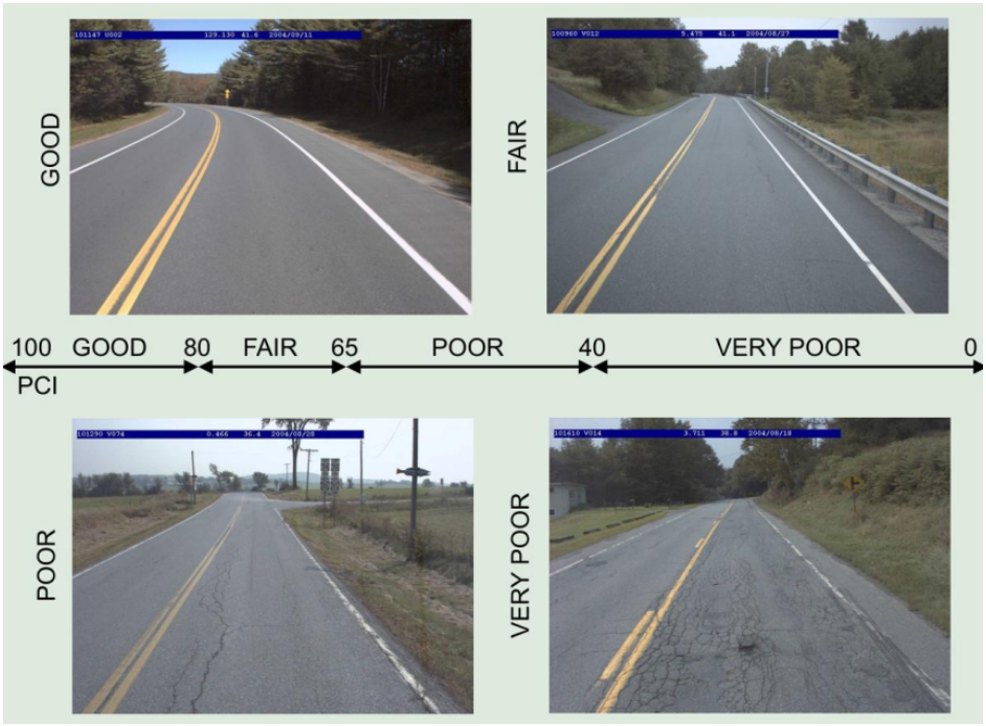
VLCT opposes the House’s current appropriations plan for the PILOT special fund, which would be to make state grand list costs an ongoing use of the surplus, while using one-time monies in the FY27 budget to shore up town highway aid. Setting the state’s grand list and tax rate should be an expense of the State’s own general fund, not paid for by locally raised revenues through LOT.
VLCT does not believe that when your voters authorized LOT adoption they considered using the local taxes they pay on meals, rooms, alcohol, and sales to pay for property reappraisal.
It’s not too late for the House to change course. Neither the “big bill” for appropriations or the miscellaneous tax bill have gone to the floor for a vote. The powerful money committees could take the appropriation of PILOT funds for grand list expenses out, and could put the waterfall for town highway back in this week ... if they wanted to.
Call or email your local lawmakers to let them know(opens in a new tab) you support funding and fixing local roads – and oppose using local tax revenue to pay for state grand list expenses.
Last week we reported(opens in a new tab) that the House Agriculture Committee had settled on its proposal for the municipal regulation of agriculture, which would have allowed for limited zoning regulation of farms in Tier 1A areas. While we had some remaining concerns with the draft language, we generally supported the House agriculture committee’s concept, which aligns with VLCT’s policy better than the opposing chamber’s version did.
Things took a sharp turn last week when floor action on the bill was delayed for the House Environment Committee to consider a consequential amendment(opens in a new tab). The amendment, proposed by Chair Amy Sheldon, would instead limit municipal regulatory authority to farms under 1.0 acre in size, regardless of their Act 250 jurisdictional area. Unlike in the Senate’s bill, the Sheldon amendment would not make any modernizing changes to the Required Agricultural Practices (RAPs)(opens in a new tab), which determine whether a farm is or is not designated as commercial.
Both VLCT and members of the farm group advocacy coalition testified Friday afternoon(opens in a new tab) to oppose the change. The Agency of Agriculture, Food, and Markets also raised some concerns.
VLCT testified that(opens in a new tab) using the simple triggers of acreage and RAPs would not provide municipalities the tools to address common, easily anticipated land use conflicts for farming activity in dense mixed-use zoning districts such as for parking, traffic, noise, screening, or setbacks. It also prevents municipalities from addressing problematic farming practices that hurt neighboring properties but fall outside of the state’s regulatory authority under the RAPs, such as the well-publicized ongoing zoning enforcement of a pig farm in Orleans Village(opens in a new tab).
In the Orleans Village case, the farm in question is larger than four acres and so has always been subject to RAP regulation. The state regulators have so far failed to address complaints from neighbors and the municipality that the farming operation is causing environmental damage, damage to neighboring private properties, pest issues, and other serious nuisances. The farm is in the center of a current Act 250 exempt area serviced by municipal infrastructure; near municipal public lands and buildings; and adjacent to private residences, an affordable elderly housing development, and the Willoughby River. Since the Supreme Court decision last spring, the municipality has been enabled to enforce local zoning requirements on the farm and anticipates the enforcement case to be heard in court this summer.
The central issue with both the Sheldon amendment to H.941 and the Senate’s bill is that they both use the RAPs to determine whether a municipality can or cannot enforce any zoning regulation on a farm – and the RAPs have never been an adequate regulatory tool to manage conflicts around intense farming and livestock operations in dense neighborhoods or downtown areas. The RAPs only consider how farming practices may negatively affect water quality: they are not designed to mitigate nuisances, protect traffic and pedestrian safety, or navigate competing land uses along a private property line.
VLCT’s position is pretty simple and, we think, makes a lot of sense for both farms and their neighbors. VLCT supports:
- A right to grow food from plants, orchards, and sugar trees for every property owner regardless of their status as a homestead or commercial farm.
- An exemption from municipal zoning for all farms outside of Tier 1 areas – 98% of the state.
- Some municipal regulatory authorities over farms in Tier 1 areas where the state has already required high density zoning and has exempted Act 250 regulations.
Call us crazy, but if the state is not going to appropriately regulate land use conflicts in these high-density, mixed use, and urban areas, someone must.
In the absence of clear, fair zoning regulation in our villages, downtowns, and city centers, farmers and their neighbors are going to keep ending up in court – where it’s left to a judge to decide what is right – not the legislature, or the state agencies, or the local planning bodies and zoning officials.
Senate bill S.325 would delay Tier 3 and Road Rule implementation while extending temporary Act 250 exemptions, all to 2030. It also makes small but important changes to Title 24 that relate to the mapping of future Act 250 exempted areas in Tier 1. A more fulsome summary of S.325 is available here in our legislative report from last week(opens in a new tab). The bill has passed all necessary Senate committees and is headed to the Senate floor this week. VLCT, and everyone else, expect a much steeper climb for this critical legislation in House, where the Environment Committee holds jurisdiction over all land use bills.
As the debate of how and when to implement the sweeping state regulatory changes created by Act 181 heat up in the State House, rural leaders and residents are only adding fuel to fire. Farmers, homeowners, and rural business leaders are raising their voices and calling for more to be done to change the trajectory of Act 181.
Loralee Tester, Executive Director of the Northeast Chamber of Commerce and board member of Let’s Build Homes, recently published a broadly disseminated commentary(opens in a new tab) scrutinizing Act 181 and providing a broader critique of the legislature’s regulatory approach in rural communities. Tester says, “There is a quiet cruelty in the assumption that rural Vermont is failing, outdated and destined to disappear anyway”. The Tester piece is backed up by a string of self-published commentaries by Corinth farmer and anti-Act 181 organizer Neil Ryan available to read for free on Substack(opens in a new tab). Ryan’s analysis of the failures of both Act 181 and the current draft rules put out by the LURB are detailed and sophisticated: in this edition of his blog(opens in a new tab) he points out that some the underlying data used by state agencies to create the Tier 3 and regional maps are decades out of date and use a margin of error large enough to encompass entire properties. He has repeatedly raised environmental and economic justice concerns and positioned the premise of Act 181 as running contrary to Vermont’s legacies of rural industriousness and stewardship. In a piece titled “The Regulatory Exclusion of Vermont’s Working Class,(opens in a new tab)” he writes “The statute treats everyone equally on paper. In practice, only the wealthy can survive the process intact.”
Ryan has created a Facebook group(opens in a new tab), now with over 3,800 subscribers, and plans to host an in-person rally at the State House to oppose Act 181 implementation tomorrow.
The rural reaction to Act 181 goes beyond these recently published commentaries. Recent RPC meetings(opens in a new tab) and LURB public engagement meetings have been venues for intense public comment sessions, with local landowners interrogating why their working lands have been mapped for conservation or asking why the mapped Tier 3 habitat connecters are ... state highways.
Local leaders are raising fair and well-informed critiques of Act 181. They understand the sincere economic justice issues created by such a broad, indiscriminate application of Act 250 jurisdiction across rural communities through the Road Rule and Tier 3 rule. Many are outraged by the lack of public engagement and narrow opportunities to provide input. Some have identified problematic anomalies and issues with state mapping tools that would have severe consequences on their own properties and neighborhoods. These complaints reflect the concerns that VLCT has raised over the last many months(opens in a new tab) as the LURB has worked to draft the new rules and guidelines.
What you need to know is that without the passage of S.325 this session, the “bad parts” of Act 181 will only happen sooner.
Act 181 is current law, passed in 2024. Without the delays created by S.325, the Road Rule will take effect this July, Tier 3 will take effect this December, and the current Act 250 exemptions that enable new home construction will phase out between 2027 and 2028.
The legislature must act now to prevent the Road Rule and Tier 3 jurisdictional areas from taking effect later this year.
Here are some recent news stories related to top issues for local government.
With work in the State House underway, the most important key to our success is your input and participation in VLCT’s advocacy work. Don’t forget to register to attend our Advocacy Chats to learn what mid-session progress has been made on the issues that matter most to local government. Also, hear what your municipal colleagues from around the state have to say about the hot topics and share your concerns for the legislature. If you’re reading this too late to join us today, you can register now to join us for our next chat, on Monday, April 6 at 1 PM(opens in a new tab).
- You can find (and share) this legislative preview, last month’s advocacy update, and future reports and alerts on our main Advocacy webpage(opens in a new tab).
- Before you visit the State House, check VLCT’s Effective Testimony Guide for Municipal Officials(opens in a new tab) for best practices and answers to frequently asked questions.
- To support VLCT’s advocacy work; participate in policy development, testimony, and legislative actions; or just learn more, reach out to Josh and Samantha by email at jhanford@vlct.org(opens in a new tab) and ssheehan@vlct.org(opens in a new tab).